Why GAC Wants Control Over FAW Toyota in Changing Market
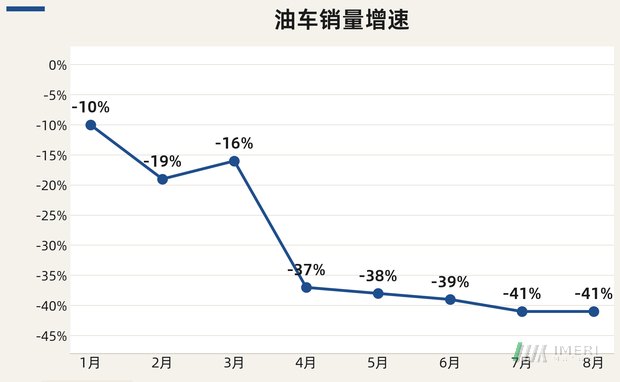
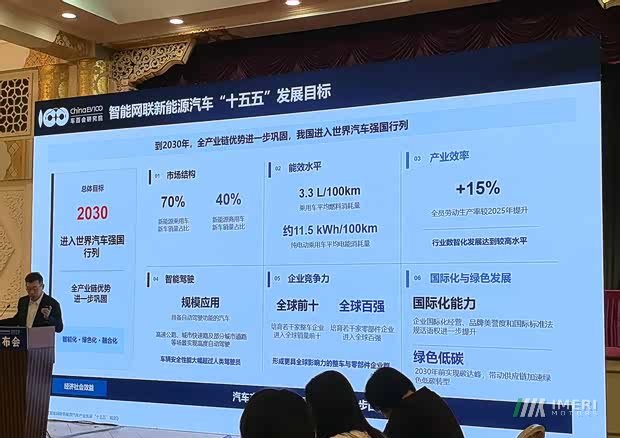
The global automotive industry is undergoing a massive transformation as traditional fuel vehicle sales drop significantly. Industry leaders like BYD have openly stated that internal combustion engines have no future, with authoritative research predicting that new energy vehicles will dominate the market by 2030. This rapid shift leaves legacy automakers with no choice but to adapt or risk being completely pushed out of the industry.
The Crisis Facing Traditional Fuel Cars
Over the past few years, the market for gasoline-powered vehicles has shrunk dramatically. Statistics show that millions of traditional cars have vanished from annual sales figures as consumers increasingly switch to electric and hybrid alternatives. With new energy vehicle penetration consistently staying above sixty percent in recent months, legacy carmakers are facing severe profit pressures and mounting financial losses.
GAC and FAW Strategic Restructuring
Facing sluggish new energy transition rates, major state-owned groups are looking for ways to consolidate their strengths. GAC is reportedly planning to issue shares to acquire control of FAW Toyota, aiming to combine sales volumes, eliminate redundant research expenses, and achieve better cost control. While FAW holds valuable partnerships with global giants like Volkswagen and Audi, its traditional joint ventures need structural optimization to survive.
Combining resources allows these automotive giants to streamline procurement, management, and dealer networks. However, navigating such complex mergers involving state assets and foreign partners requires delicate regulatory approvals. Whether this consolidation will successfully create a new fuel vehicle leader remains to be seen, but adaptation is now essential for survival.